
Self-factoring in Scotland
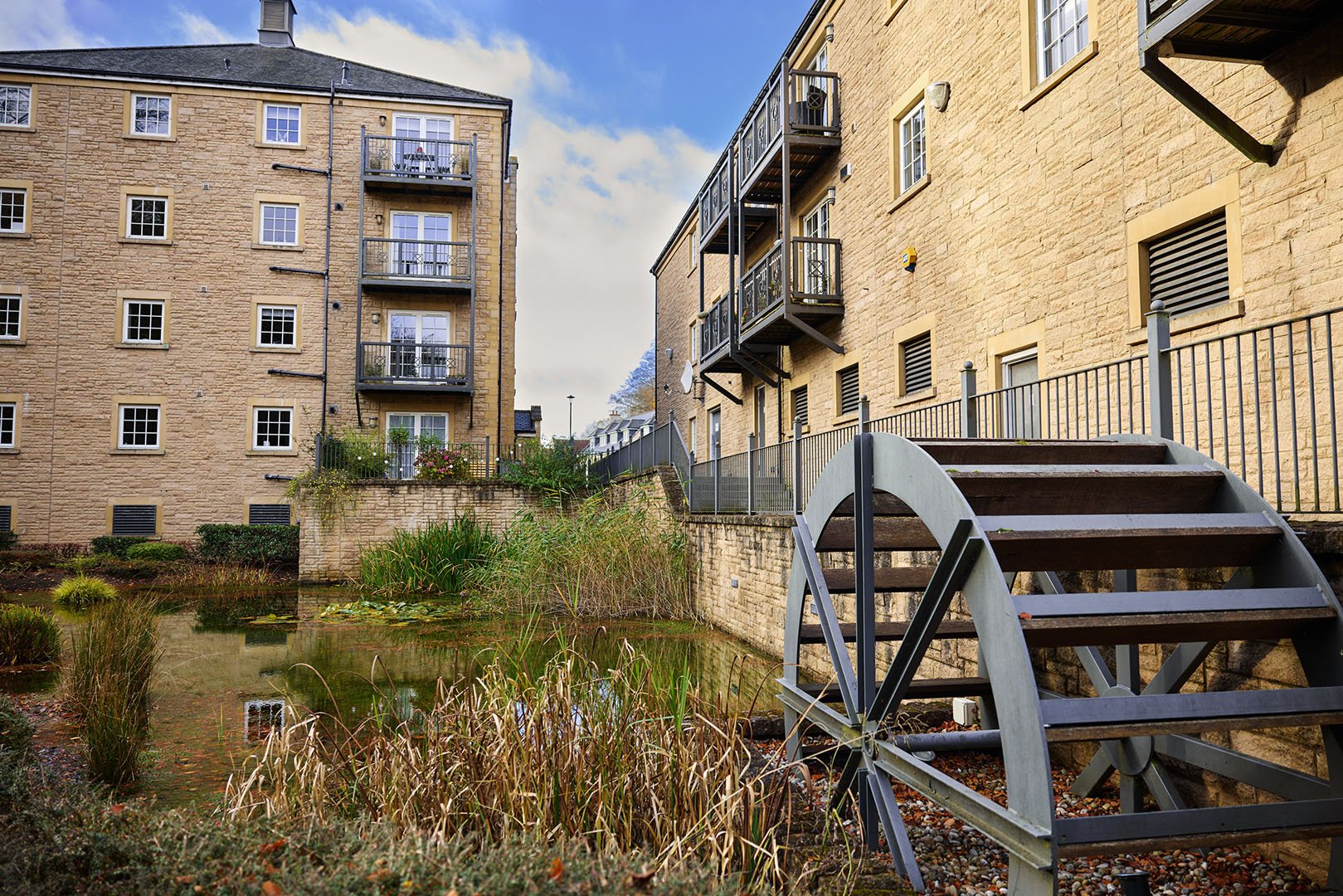
Image: Exterior of a residential development.
What homeowners need to know.
Managing the shared parts of a residential development is an important part of protecting your home. For some homeowners, self-factoring is a way to stay closely involved in how their building is maintained, how decisions are made and how costs are managed. With the right structure, clear communication and willing owners, it can work well. In this article, we look at what self-factoring looks like, what responsibilities come with it and when bringing in a professional property factor could make things run more smoothly.
What is self-factoring?
Self-factoring is when homeowners manage the shared parts of their building or development themselves, rather than appointing a professional property factor. It can include organising communal repairs, arranging stair cleaning, arranging landscaping, managing building insurance, collecting money from owners and keeping records of what has been agreed and paid.
Can homeowners self-factor their building?
Yes, in many cases homeowners in Scotland can self-factor their development. It depends on the development’s title deeds and any existing factoring arrangements. Before deciding to self-factor, owners should check their title deeds carefully. They may explain how shared repairs are approved, how costs are split, whether a factor needs to be appointed and what level of agreement is needed from owners. Every development is different, so homeowners should always check their own title deeds and take professional advice when needed.
What does self-factoring involve?
Self-factoring can be rewarding but it is often a lot more work than homeowners expect. Depending on the development, homeowners may need to:
Arrange routine maintenance such as cleaning, gardening and lighting repairs.
Organise inspections and deal with health and safety issues.
Get quotes from contractors.
Approve and coordinate communal repairs.
Collect money from owners.
Manage a bank account.
Keep financial records.
Deal with late or unpaid contributions.
Arrange buildings insurance.
Communicate with all owners, including landlords.
Plan ahead for larger works such as roof repairs or external painting.
A good self-factoring set up usually needs a structure. That might mean an owners’ association with regular meetings, a shared bank account, written decisions and a clear process for agreeing work.
Why do some homeowners choose to self-factor?
Some homeowners choose to self-factor because they want more control over how their development is managed. They may want to choose contractors directly, believe self-factoring is more flexible, and believe that they will save money. However, these benefits depend on owners being organised and willing to get involved. If only one person is arranging repairs, chasing payments and dealing with complaints, the arrangement can quickly become difficult to manage.
What are the risks of self- factoring?
The biggest risk factor with self-factoring is that it relies on cooperation between neighbours. We often hear the same issues:
Owners disagreeing about what repairs need to be done or the associated costs.
Delays because decisions take too long.
Unpaid contributions.
Difficulty finding reliable contractors.
No clear maintenance plan.
One owner doing most of the admin.
Confusion around insurance or legal responsibilities.
Urgent repairs being ignored until they become more expensive.
Is self-factoring cheaper than using a property factor?
While self-factoring can sometimes reduce management costs, it is not always cheaper overall. Owners still need to pay for repairs, insurance, inspections, cleaning, gardening and larger maintenance projects. The main saving is the professional management fee but that needs to be balanced against the time, admin and responsibilities taken on by the owners. Additionally, given the number of properties they manage, professional property factors are often able to negotiate more favourable rates with contractors and insurance brokers.
What legal responsibilities do self-factoring homeowners have?
Homeowners who self-factor still have responsibilities for the shared parts of their development. These responsibilities are usually set out in the title deeds and may cover repairs, maintenance, insurance, cost sharing and decision making. Owners need to make sure the communal areas are safe, repairs are dealt with and bills are paid.
If homeowners appoint a professional property factor, the factor must be registered and follow the Property Factors Code of Conduct. The code sets minimum standards for registered property factors and covers areas such as communication, finance, repairs, maintenance, insurance and complaints handling.
When should a self-factored development consider appointing a property factor?
A self-factored development may decide to appoint a property factor if the workload becomes too time-consuming, complicated or stressful. This can happen when there are regular repairs, unpaid contributions, disagreements between owners, larger maintenance projects or confusion about who is responsible for what. A professional property factor can coordinate contractors, arrange maintenance, manage shared finances, issue invoices, organise debt recovery, communicate with owners and support long-term planning.
What are the benefits of appointing a professional property factor?
A professional property factor can help make shared property management more organised, transparent and less stressful. The main benefits include:
Clear communication with all owners.
Long-term maintenance programme.
Access to trusted contractors.
Transparent billing and financial records.
Support with insurance and compliance.
Fewer awkward conversations between neighbours.
A clear complaints process.
Support when owners do not pay their share.
Whether homeowners choose to self-factor or appoint a professional property factor, the overall goal should always be to maintain good quality, safe and sustainable homes.
About Charles White Limited
Based in Edinburgh and working across Scotland, Charles White Limited is one of Scotland’s oldest and most respected property management companies. We have been working in property across Scotland since 1840 and are a well-known, established name in residential property management. We offer an award-winning service built on experience, transparency and full compliance with Scottish regulations. From everyday tasks such as grounds maintenance to the full management of complex residential developments, we take a proactive, people-focused approach. We work hard to ensure our clients always feel informed through regular, clear communication and our commitment to transparent financial management.